Case study — Intuit
Intuit — creative operations & asset systems
I governed the enterprise DAM platform and compliance infrastructure for Intuit's Mailchimp marketing organization — a scope that grew to Quickbooks and Credit Karma when Wink became Team Intuition, under the regulatory standards applied to Intuit's financial products.
Governance at enterprise scale
What does it look like to operate the compliance and asset infrastructure for a multi-brand internal agency inside a regulated financial enterprise?
I joined Wink, Intuit's internal creative agency, as Digital Asset & Content Manager — responsible for the governance, infrastructure, and adoption of the enterprise DAM platform across the Mailchimp marketing organization. When Wink was restructured into Team Intuition, an internal agency serving the full Intuit portfolio, the scope expanded to Quickbooks and Credit Karma workstreams. That meant operating under the regulatory and compliance standards applied to Intuit's financial products.
The work sat at the intersection of creative operations and data governance: metadata taxonomy, asset lifecycle processes, compliance infrastructure. The primary mode was infrastructure, process, and accountability for an organization producing at scale.
Compliance, systems, and adoption
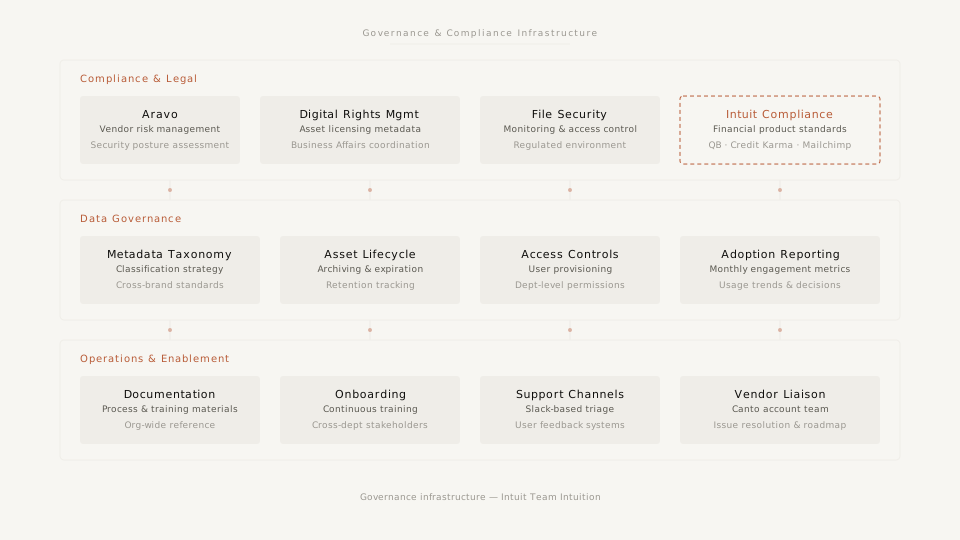
Governing a DAM is often mistaken for keeping a folder structure tidy. At enterprise scale, inside a regulated company, it looks more like six interlocking workstreams:
Metadata & taxonomy
The metadata taxonomy and data governance standards underneath everything else — the layer that makes assets findable, trackable, and auditable across the organization.
Asset lifecycle
Archiving, expiration tracking, and file security monitoring — the processes that keep a living library from quietly becoming a liability.
Rights & licensing
Coordinating with Business Affairs and Creative Producers on Digital Rights Management and asset licensing metadata, so every asset in active use stayed legally compliant across the organization.
Vendor risk
Third-party tool security risk assessment via Aravo, Intuit's vendor risk management platform.
Enablement
Process documentation that doubled as training materials, end-user access management, onboarding, and continuous training for DAM stakeholders across departments.
Adoption & support
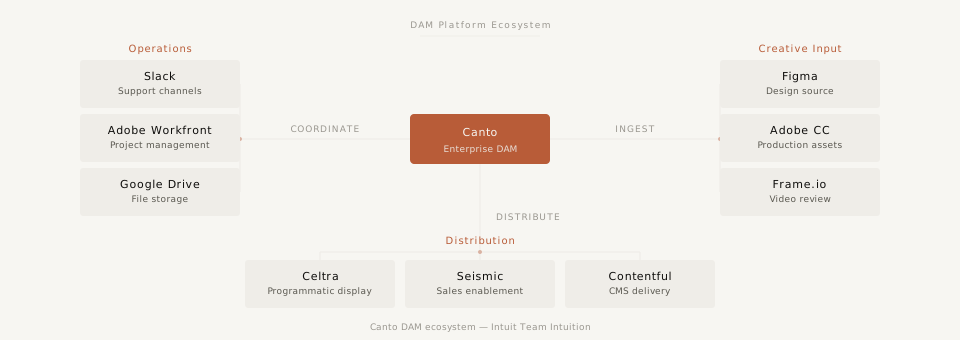
Monthly reporting on adoption trends and asset engagement, Slack-based support channels, and user feedback systems — plus the vendor relationship itself, as primary liaison to the Canto account team for issue resolution and platform development.
The vendor risk work deserves a closer look. Running security assessments through Aravo made me the accountable stakeholder for the Canto DAM's compliance posture — the person who signs off on whether the tool meets the enterprise security bar. In a company whose products handle people's finances, someone has to own that answer, and it was me.
When Wink became Team Intuition
When Team Intuition expanded, so did the work. Alongside governance, I contributed Figma-based asset production for social channels and Celtra programmatic display assets across brands — straddling governance and production inside the same multi-brand internal agency. Knowing how assets get made, day to day, is part of what makes the systems around them workable.

The work that makes creative organizations function at scale.
The regulatory dimension is what distinguishes it. Operating within Intuit's compliance framework, across financial products like Quickbooks and Credit Karma, required a level of governance rigor beyond pure marketing operations. That experience translates directly to any environment where creative work intersects with regulatory requirements.